
TWELP 1200/2400 bps Scalable Vocoder ensures the highest voice quality both in HF and in VHF/UHF networks and maintains lossless interoperability between them.
Transcoding is not needed, which saves significant computational resources in gateways and also means no degradation in speech quality, even when users interoperate at different bit rates.
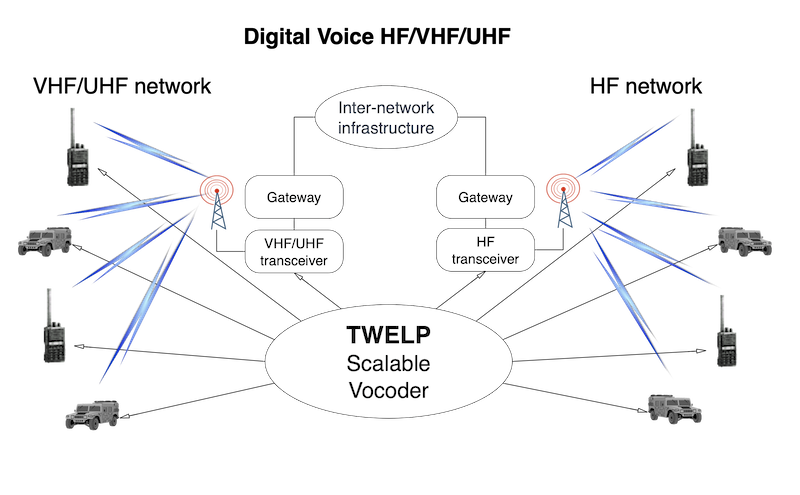
An alternative to AMBE+2 DMR / dPMR vocoder, provides highest speech quality, when a voice is more natural, clear and is free of any synthesizing sounds.
Can be used in DMR (ETSI TS 102 361) and dPMR (ETSI TS 102 658) radios as alternative vocoder (instead AMBE+2 vocoder) or as additional vocoder to provide in newest radios main superior mode, providing more high-quality voice communication, keeping simultaneously interoperability with old radios (AMBE+2 based ones).
| Language | AMBE+2 DMR | TWELP DMR | |
|---|---|---|---|
| American | 3.085 | 3.361 | |
| Arabic | 3.014 | 3.264 | |
| British | 3.072 | 3.220 | |
| Chinese | 2.979 | 3.309 | |
| Danish | 2.941 | 3.308 | |
| Dutch | 2.900 | 3.126 | |
| Finnich | 2.867 | 3.068 | |
| French | 3.117 | 3.373 | |
| German | 2.971 | 3.237 | |
| Greek | 2.992 | 3.283 | |
| Hindi | 3.097 | 3.276 | |
| Hungarian | 3.037 | 3.302 | |
| Italian | 3.155 | 3.427 | |
| Japanese | 3.151 | 3.389 | |
| Norwegian | 2.964 | 3.310 | |
| Polish | 2.944 | 3.269 | |
| Portuguese | 3.175 | 3.321 | |
| Russian | 2.980 | 3.192 | |
| Spanish | 3.099 | 3.286 | |
| Swedish | 3.053 | 3.293 | |
| Average | 3.030 | 3.281 | |
|
Superiority of the TWELP DMR vocoder is on average 0.251 PESQ ! | |||
Now anyone who would like to use or just to try TWELP vocoder, without paying the cost of a license for large quantities, can order our vocoder as a hardware mini-module based on STM32F chip.
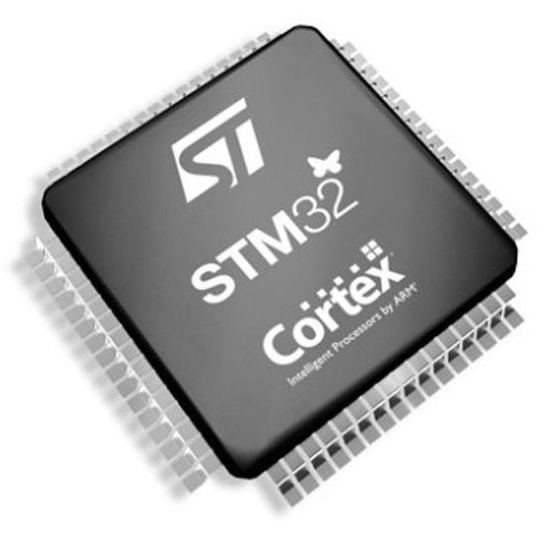
Good news for all customers who use CMX7262 chip
Now you can buy a license for the updated TWELP vocoder, interoperable with the vocoder used in CMX7262 chip, as an object library for any target platform even for a small quantity of installations!
The updated vocoder provides much better speech quality (improved up to 0.1 PESQ!) in comparison with the one used in the chip, but is completely interoperable with it in both directions.
Please send your requests to request@dspini.com to get a detailed information and prices.
TWELP Digital Voice in real conditions
TWELP vocoders provide a world highest speech quality, operating at twice lower bit rates
| Language | AMR 4750 | TWELP 2400 | MELPe 2400 |
|---|---|---|---|
| American | 3.351 | 3.330 | 3.077 |
| Arabic | 3.277 | 3.253 | 3.053 |
| British | 3.272 | 3.181 | 3.019 |
| Chinese | 3.267 | 3.307 | 2.970 |
| Danish | 3.311 | 3.275 | 3.022 |
| Dutch | 3.089 | 3.114 | 2.830 |
| Finnich | 3.166 | 3.049 | 2.791 |
| French | 3.277 | 3.325 | 3.106 |
| German | 3.321 | 3.183 | 2.998 |
| Greek | 3.206 | 3.275 | 3.004 |
| Hindi | 3.286 | 3.246 | 3.089 |
| Hungarian | 3.305 | 3.279 | 3.086 |
| Italian | 3.462 | 3.363 | 3.226 |
| Japanese | 3.369 | 3.407 | 3.188 |
| Norwegian | 3.267 | 3.286 | 3.032 |
| Polish | 3.263 | 3.267 | 3.029 |
| Portuguese | 3.377 | 3.350 | 3.146 |
| Russian | 3.186 | 3.165 | 2.952 |
| Spanish | 3.343 | 3.294 | 3.048 |
| Swedish | 3.391 | 3.269 | 3.147 |
| Average | 3.289 | 3.261 | 3.041 |
|
Superiority of TWELP 2400 bps vocoder over MELPe 2400 bps is on average 0.220 PESQ and just -0.028 PESQ in comparison with AMR 4750 bps | |||
New highest level of speech quality in a very noisy channel
| BER % | MELPe 2400 | TWELP 2400 Robust (HD) | TWELP 2400 Robust (SD) |
|---|---|---|---|
| 0 | 3.041 | 3.127 | 3.127 |
| 1 | 2.513 | 3.039 | 3.079 |
| 2 | 2.186 | 2.963 | 3.006 |
| 3 | 1.940 | 2.810 | 2.964 |
| 4 | 1.748 | 2.582 | 2.908 |
| 5 | 1.582 | 2.321 | 2.842 |
You can play and listen the short samples of the source speech as well as the speech processed by both vocoders in AWGN channel with BER = 5% for any of 20 languages, using links in the table below.
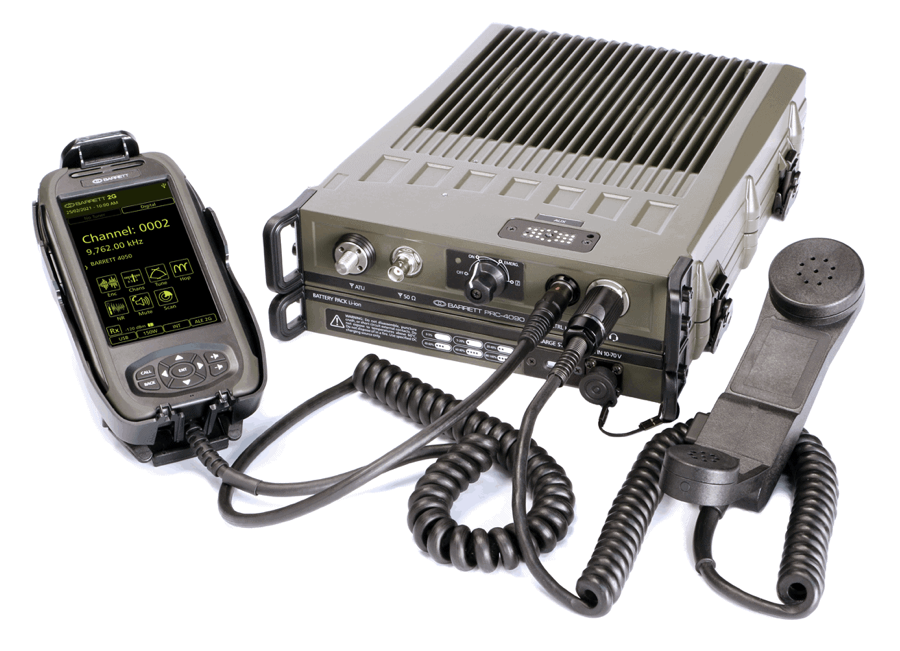
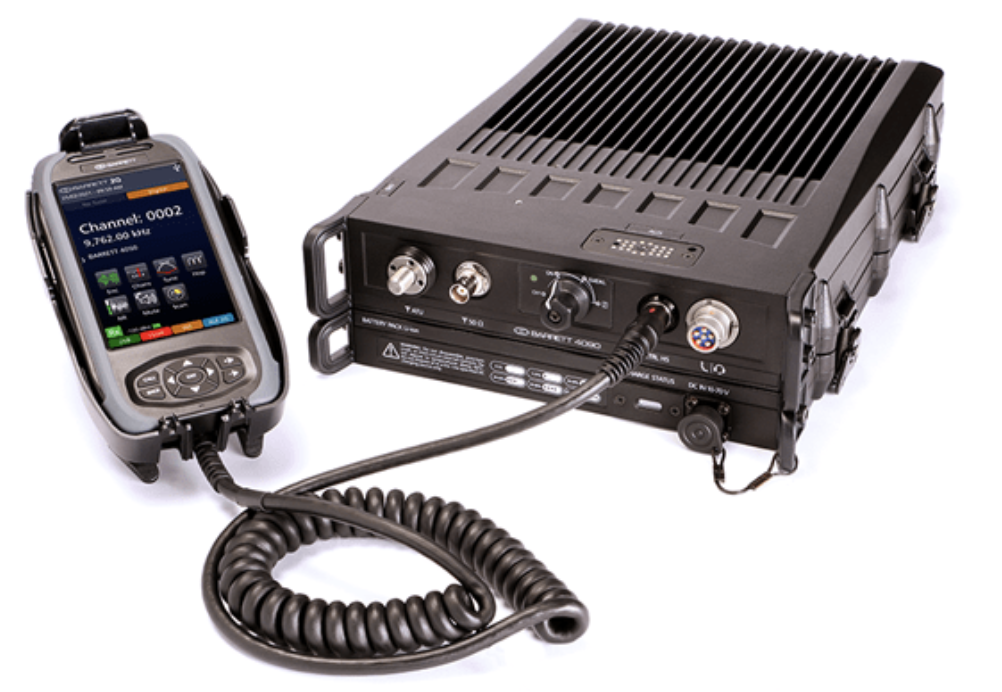
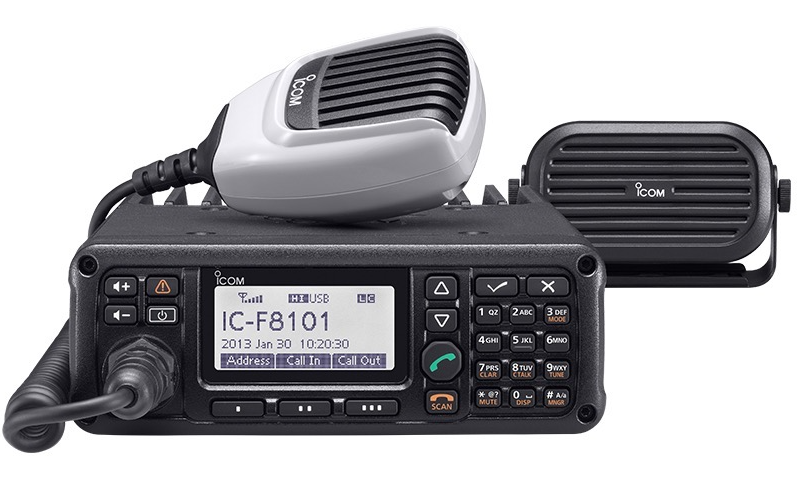
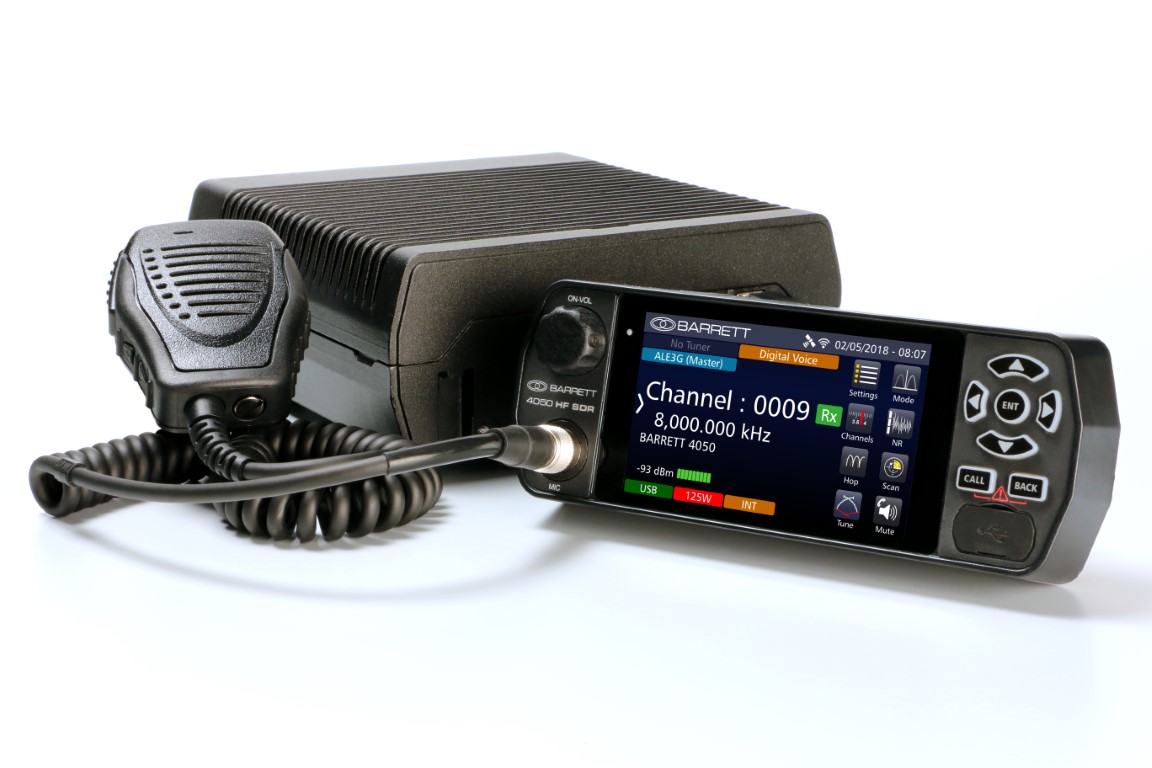
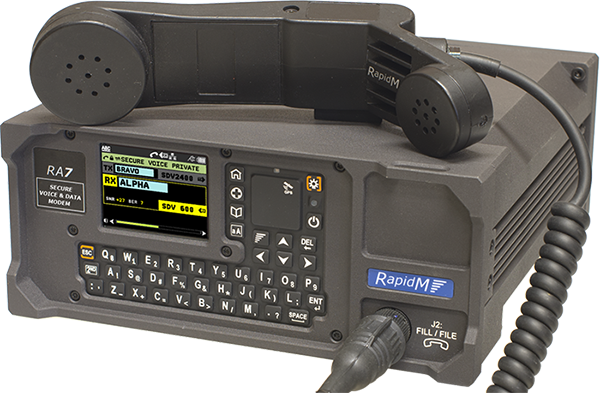
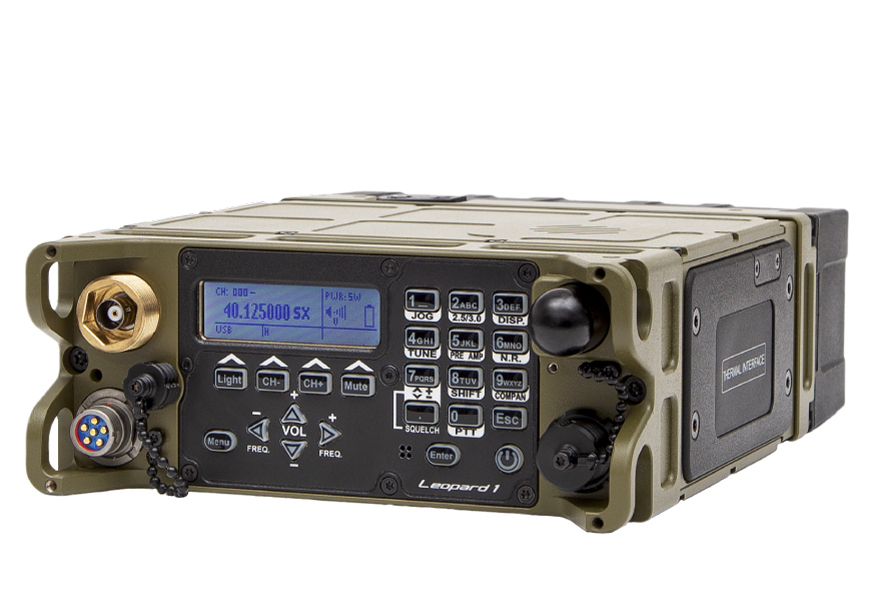
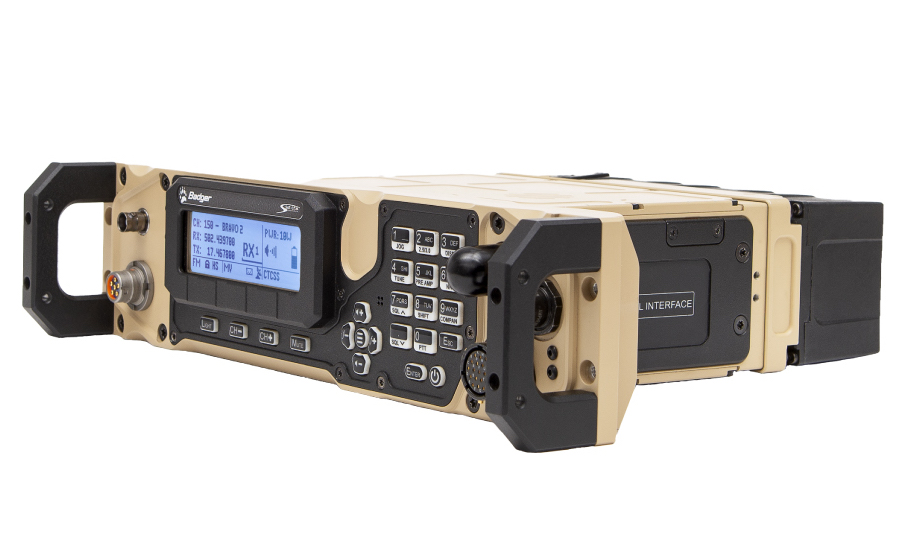
Our TWELP vocoders are used in the best transceivers from world leaders
Newest TWELP 700 bps vocoder is free of export restrictions and provides a very high speech quality
| Language | TWELP 700 bps | TWELP 600 bps | MELPe 600 bps |
|---|---|---|---|
| American | 2.724 | 2.624 | 2.397 |
| Arabic | 2.603 | 2.479 | 2.254 |
| British | 2.678 | 2.577 | 2.414 |
| Chinese | 2.643 | 2.474 | 2.189 |
| Danish | 2.638 | 2.497 | 2.227 |
| Dutch | 2.475 | 2.366 | 2.173 |
| Finnich | 2.472 | 2.376 | 2.249 |
| French | 2.693 | 2.524 | 2.34 |
| German | 2.667 | 2.526 | 2.287 |
| Greek | 2.595 | 2.472 | 2.212 |
| Hindi | 2.660 | 2.563 | 2.403 |
| Hungarian | 2.659 | 2.546 | 2.359 |
| Italian | 2.837 | 2.720 | 2.428 |
| Japanese | 2.792 | 2.682 | 2.436 |
| Norwegian | 2.640 | 2.461 | 2.225 |
| Polish | 2.664 | 2.519 | 2.294 |
| Portuguese | 2.712 | 2.589 | 2.393 |
| Russian | 2.591 | 2.448 | 2.156 |
| Spanish | 2.648 | 2.537 | 2.389 |
| Swedish | 2.725 | 2.576 | 2.430 |
| Average | 2.6558 | 2.5278 | 2.3128 |
|
Superiority of the TWELP 700 is on average 0.13(!) and 0.34 (!!!) PESQ appropriately | |||